Zero Waste Habits That Stuck After Trying Everything Else
On a crisp autumn morning, I found myself staring at a trash can overflowing with waste that could have easily been avoided. It was a moment of clarity; I realized how much I was contributing to a problem much bigger than myself. That day, I made a decision to embrace a zero waste lifestyle, a choice that has been filled with both challenges and rewarding discoveries.
Transitioning to zero waste isn’t just about reducing the amount of trash we generate—it’s about rethinking our relationships with the products we consume, our habits, and ultimately, our impact on the planet. I remember the first time I tried to buy groceries without single-use plastic. It felt daunting. The aisles were filled with brightly colored packaging, and I often felt like I was on a scavenger hunt for sustainable options. But it’s a journey worth taking, and I want to share some insights that can help you navigate it.
Understanding Zero Waste
Zero waste is not an all-or-nothing approach. Some people think they need to be perfect right from the start, but I quickly learned that it’s about making mindful choices. The goal is to minimize waste as much as possible, ultimately aiming for a circular economy where nothing goes to waste. It’s about reducing, reusing, and recycling, but also about refusing unnecessary items in the first place.
Start with Small Changes
When I first started, I felt overwhelmed by the idea of going completely zero waste. I realized it’s okay to start small. Here are some manageable steps that can make a big difference:
- Bring your own bags: Invest in reusable shopping bags. I keep a few in my car and one in my purse so I never forget to take them shopping.
- Say no to straws: If you frequently order drinks out, try to ask for no straw. It’s a small change, but it adds up.
- Choose bulk items: Buy grains, nuts, and spices from bulk bins to reduce packaging. I love filling my own jars; it feels rewarding to take control of my consumption.
Rethinking Consumption
It’s easy to get caught up in consumerism, especially with constant marketing messages. But I found that reevaluating my shopping habits has been one of the most impactful changes. When I contemplate a purchase, I ask myself if it’s truly necessary or if it’s just something I want in the moment.
Some people might argue that being zero waste is expensive, but I’ve found that it can actually save money in the long run. For example, investing in a good quality reusable water bottle or coffee cup means you’re not constantly buying bottled water or coffee to-go, which can add up quickly.
Creating a Waste-Free Kitchen
The kitchen is often the biggest culprit when it comes to waste. I remember the first time I tried to cook without generating trash. It felt like a puzzle. Here are a few tips that helped me:
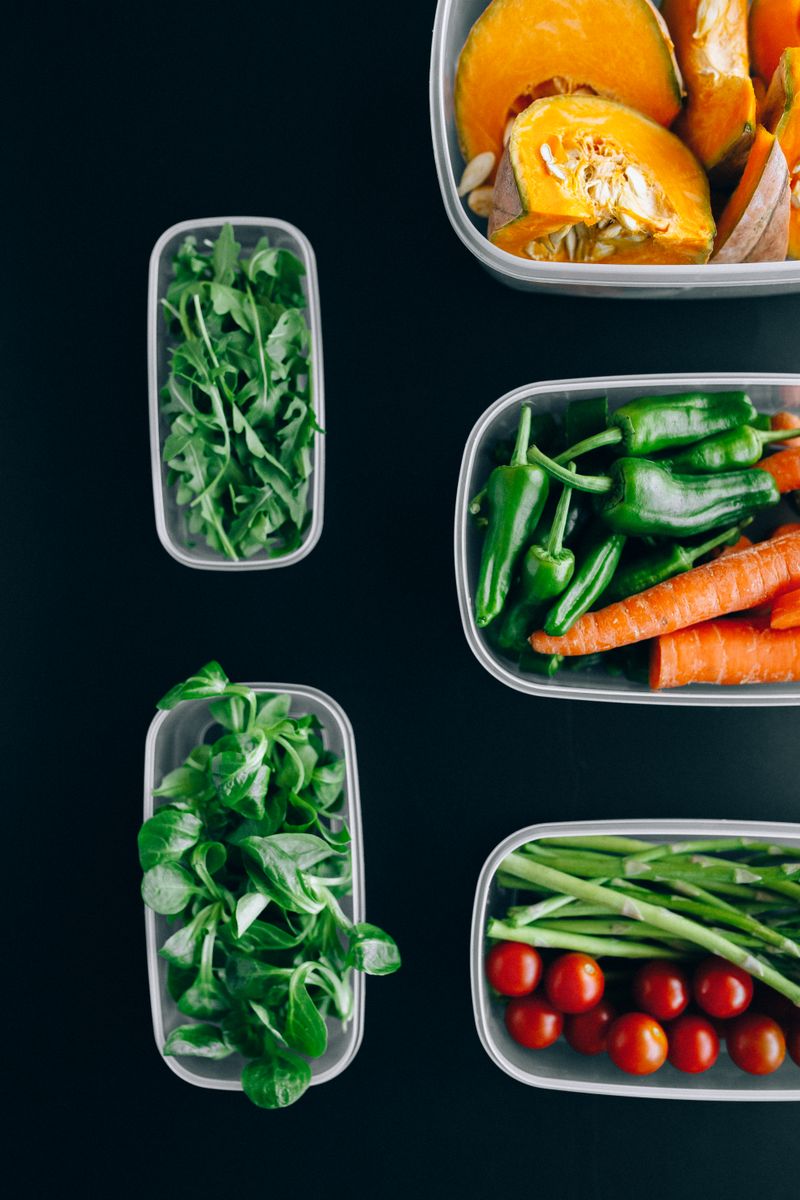
- Meal prep: Preparing meals in advance can minimize food waste. I often make soups or stews that I can freeze in reusable containers. No more half-used veggies going bad!
- Compost: Even if you can’t go fully zero waste, composting is a great way to handle organic waste. I started with a small countertop bin, and it’s fascinating to see how much my kitchen scraps can contribute to the garden.
- Use cloth instead of paper: I replaced paper towels with reusable cloths, which not only reduces waste but also feels more luxurious.
Mindful Waste Disposal
As I became more involved in this lifestyle, I realized that proper disposal of items was just as crucial as reducing waste. I learned about local recycling guidelines and found ways to ensure my waste was being handled responsibly. For instance, I discovered that many items that seem recyclable are often contaminated, which can lead to them being thrown away. Taking the time to sort and clean items made a significant difference.
Community Matters
Embarking on this journey can feel isolating at times, but connecting with others who share similar values can be incredibly motivating. Whether it’s joining a local zero waste group or participating in community clean-up events, I found that sharing experiences and tips made the process more enjoyable and less intimidating.
Some might feel that their efforts are too small to make a difference, but I’ve learned that every little bit counts. It’s about creating a ripple effect in our communities. When I see friends or family starting to adopt some of these practices, it brings me joy and reinforces that this journey isn’t just mine; it’s collective.
[IMAGE_PROMPT: