I Tried Eating 100% Raw for 30 Days — Here’s the Honest Truth
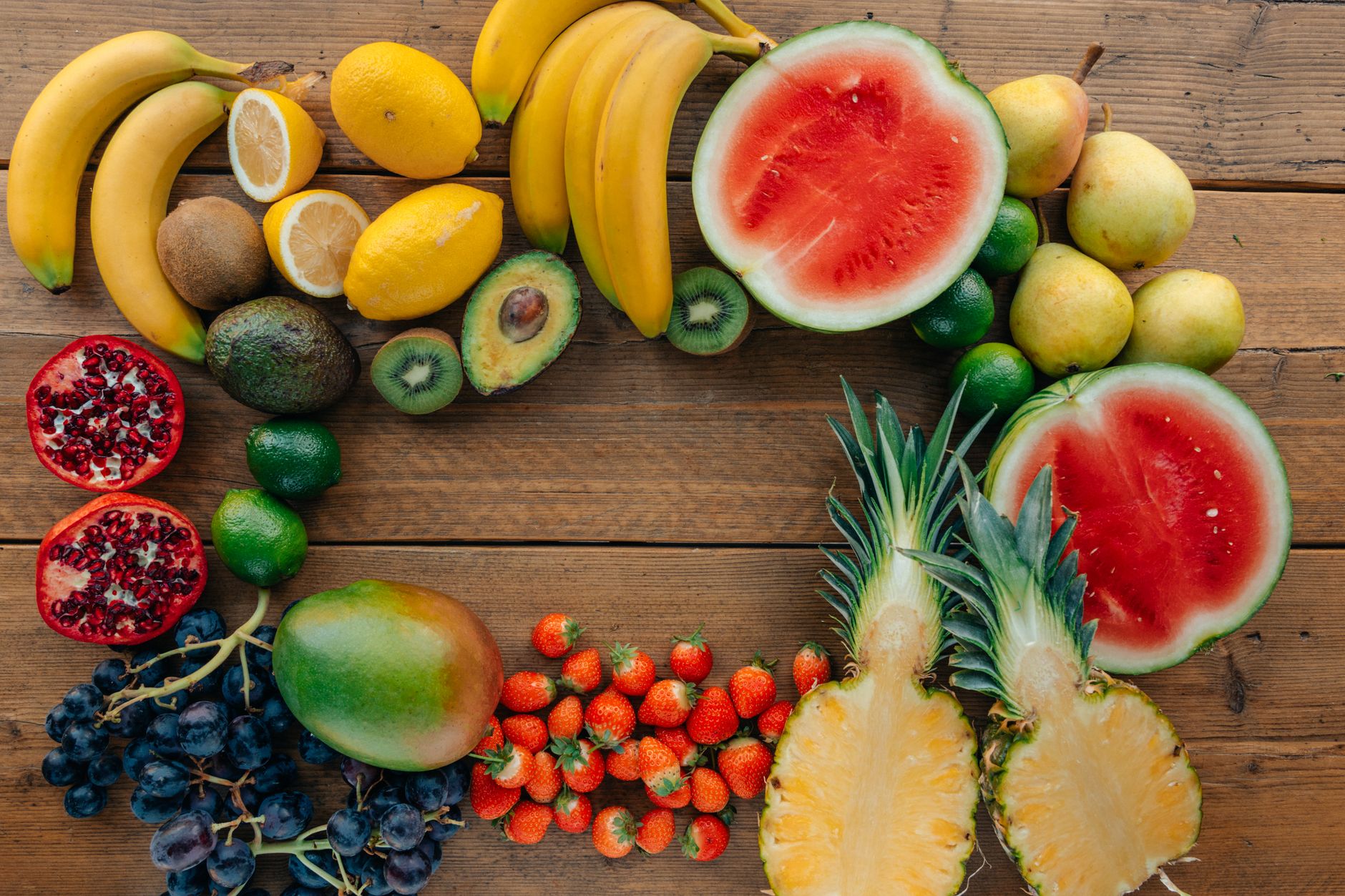
Walking into a room filled with bright, vibrant fruits and vegetables, I remember the first time I was introduced to the raw food movement. It felt like a breath of fresh air, but also a bit overwhelming. Raw food enthusiasts could be seen raving about the wonders of uncooked meals, claiming everything from miraculous health transformations to increased energy levels. But let’s cut through the hype.
Raw food isn’t just a diet; it’s a lifestyle that revolves around consuming unprocessed, uncooked foods. Think fresh fruits, vegetables, nuts, seeds, and sprouted grains. The idea is simple: cooking destroys nutrients, so why not eat everything in its natural state? However, reality is rarely that straightforward.
Understanding Raw Food
At its core, a raw food diet is about eating foods that haven’t been heated above a certain temperature, typically around 104 to 118 degrees Fahrenheit. The rationale is that cooking alters the food’s natural enzymes and reduces its nutritional value. But here’s the catch: not all foods are better raw. For example, tomatoes and carrots actually release more nutrients when cooked. So, while the raw food diet can be packed with benefits, it can also lead to missing out on essential nutrients if taken too literally.
The Benefits: What’s Real?
People tout a range of benefits from raw food diets. Some of the more common claims include:
- Weight Loss: Many find that the high fiber content leads to feeling full without consuming excess calories.
- Improved Digestion: A raw diet is typically rich in enzymes that some believe aids digestion.
- Increased Energy: Fans claim they feel more energetic and alert after switching to a raw food diet.
I’ll admit, I’ve seen individuals who look vibrant and healthy on this diet. Yet, I also know several who became fatigued and nutrient-deficient. Balance is crucial.
The Downsides: What to Watch Out For
Raw food isn’t all sunshine and rainbows. There are significant downsides to consider. Many people struggle with:
- Nutritional Deficiencies: Without careful planning, you might miss out on vital nutrients, especially B12, iron, and omega-3 fatty acids.
- Social Isolation: Eating raw can make social situations tricky. You’ll often find yourself stuck munching on a salad while everyone else enjoys a warm meal.
- Time and Effort: Preparing raw meals can be labor-intensive. Dehydrating, sprouting, and blending take time. If you’re not committed, it’s easy to fall off the wagon.
That time I tried to stick to a raw food diet for a month? I ended up feeling more fatigued than energized. Sure, I lost some weight, but I also craved cooked meals like nobody’s business. I learned that a strict raw diet might not work for everyone.
Making Raw Work for You
If you’re still intrigued by the raw food lifestyle, there are ways to make it more manageable. Here are some practical tips:
- Start Slow: Try incorporating one raw meal a day. Gradually increase as you find what works for you.
- Focus on Variety: To avoid deficiencies, eat a wide range of foods. Think colorful fruits, leafy greens, nuts, and seeds.
- Learn to Sprout: Sprouted grains and legumes can enhance nutrient absorption. Plus, they add a crunchy texture to meals.
Experimentation is key. I’ve found that blending raw and cooked foods offers a balance that keeps meals enjoyable without sacrificing nutrition. A raw salad topped with roasted veggies? Now that’s a winner.
Your Takeaway: Finding Balance
Raw food can be a beneficial addition to your diet, but it’s not the be-all and end-all. Embrace the colors and flavors of raw ingredients while recognizing what works for your body. If you feel good, that’s what matters. But if you find yourself drained or craving something warm, don’t hesitate to add some cooked meals back into the mix.
So, here’s the challenge: Try a raw meal today. See how you feel. Maybe it’s a breakfast smoothie or a crunchy salad for lunch. Pay attention to your body’s response. This journey isn’t about strict rules; it’s about what nourishes you as an individual.
Eating raw might not be the ultimate solution for everyone, but it’s a step toward making conscious choices about your food. Embrace the process, learn what fuels you, and remember: it’s your plate, your rules.